


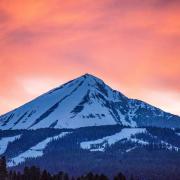
Spring in Big Sky is a season of change. As the snow melts and the sun stays out longer in the evenings, the mountains come alive with rushing streams, muddy trails, and the first wildflowers blooming. Every day brings something new, and after a long winter, there's nothing quite like stretching your legs on the trail and feeling the season shift beneath your feet. Picking the right trail to hike can mean the difference between a muddy, messy trek and an amazing adventure
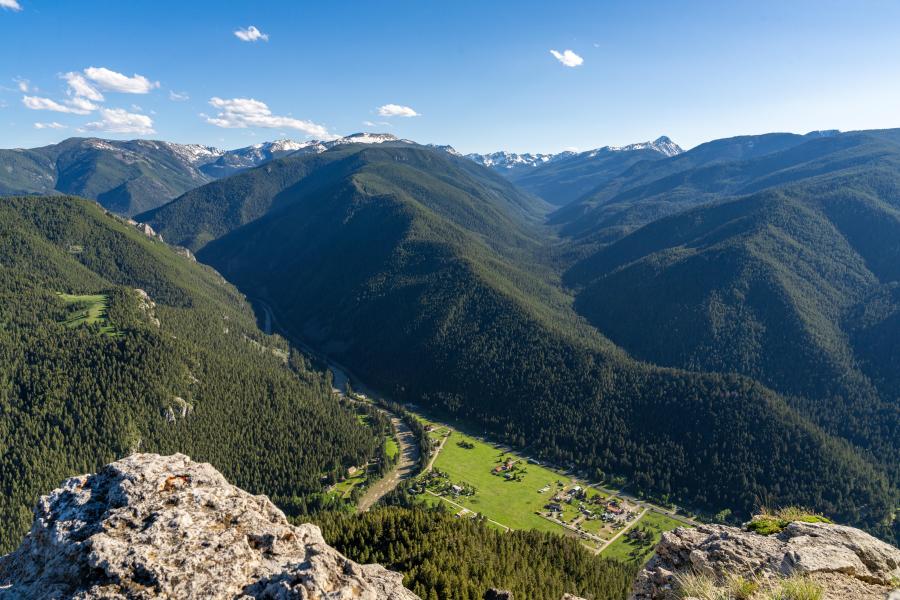
If you're planning a spring hiking trip to Big Sky, you'll want to be strategic about which trails you choose. Trail conditions vary dramatically depending on elevation, sun exposure, and the winter's snowpack. While higher elevation trails near Big Sky may still be cloaked in snow and mud, trails further down the Gallatin Canyon—especially those with strong south-facing exposure—tend to dry out more quickly. This guide will walk you through the best spring hiking options in Big Sky, from easy riverside strolls to challenging summit pursuits, so you can make the most of spring shoulder season.
What to Expect on Spring Trails in Big Sky
Before we dive into specific trail recommendations, let's talk about what spring hiking really means in Big Sky. This isn't your typical summer trail experience—spring brings its own unique set of conditions and challenges.
Mud, Runoff, and Snow at Higher Elevations
Spring means mud. Lots of it. As the snowpack melts, trails can become soft, muddy, and sometimes impassable. Higher elevation trails will likely still have snow patches well into late spring, while lower trails experience significant runoff that can create wet, slippery conditions. The good news? Trails in the Gallatin Canyon with strong south-facing exposure dry out faster, giving you more hiking options earlier in the season.
Changing Weather Conditions
Spring weather in Montana is notoriously unpredictable. You might start your hike in sunshine and end it in a sudden snowstorm. Layer up, wear sturdy footwear, bring rain gear, and always check the forecast before you head out.
Bear Awareness is Critical
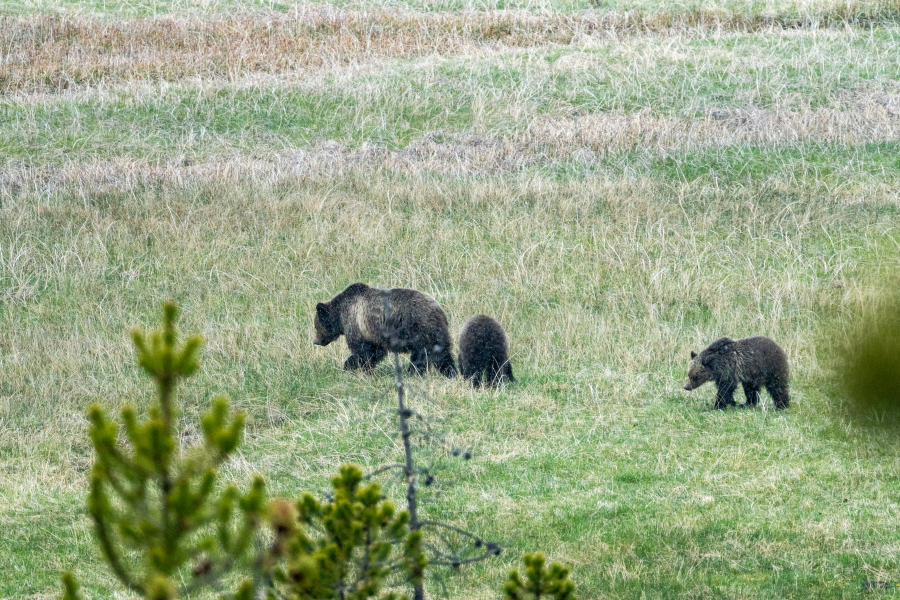
Spring is an especially active time for bears emerging from hibernation. Grizzlies and black bears are hungry and on the move, making bear safety absolutely essential. Always hike in groups, make noise on the trail, and carry bear spray. Bear spray rentals are available at the Visit Big Sky Visitor Center.
Top Spring Hiking Trails in Big Sky
Ousel Falls Trail
Distance: 1.6 miles round-trip
Difficulty: Easy
Why Go in Spring: Accessible trail with dramatic waterfall runoff
There's a reason Ousel Falls is the first trail locals recommend year-round. This short, family-friendly hike is accessible in spring and offers a completely different experience from its summer counterpart. The falls roar with snowmelt, transforming into a powerful cascade that echoes through the ravine. The trail follows the South Fork of the West Fork of the Gallatin River, crossing three bridges before reaching the falls.
Located just two miles south of Big Sky Town Center, Ousel Falls dries out relatively quickly in spring and makes for an excellent introduction to Big Sky's hiking scene. The 1.6-mile round-trip is manageable for all ages and abilities, though you'll want to watch for muddy patches and wear appropriate footwear. Also, be sure to follow all posted signage, especially when the water levels are high.
Storm Castle Peak
Distance: 5.2-5.8 miles round-trip
Difficulty: Moderate to Challenging
Elevation Gain: Approximately 1,800-2,000 feet
Why Go in Spring: South-facing exposure helps it dry faster than other peaks
For hikers seeking a more challenging spring adventure, Storm Castle Peak delivers sweeping views and a solid workout. This trail climbs steadily through forested terrain before breaking out into open ridgeline with panoramic views of the surrounding Madison Range. The roughly 1,800-2,000 feet of elevation gain will get your heart pumping, but the payoff at the top is worth every step.
Storm Castle is one of the better spring options for peak-baggers because its south-facing slopes shed snow more quickly than north-facing alternatives. That said, you should still expect muddy conditions and possibly snow at the summit, especially earlier in the season. Check recent trail reports and bring trekking poles for stability on slippery sections.
LemonKnob Loop
Distance: Approximately 3.7 miles
Difficulty: Moderate
Why Go in Spring: Loop trail with varied terrain and solid drainage
The Lemon Knob Loop offers a moderately challenging spring hike with a nice variety of terrain. This loop trail takes you through forested sections and open meadows, with elevation changes that provide good spring conditioning without being overly strenuous. The loop format means you're always seeing new scenery, making it a favorite among locals looking to stretch their legs after a long winter.
Expect this trail to have muddy sections in spring, but the varied terrain and decent drainage make it more manageable than some alternatives. It's a great choice for intermediate hikers who want something beyond an easy riverside walk but aren't quite ready for a full summit push. Bear spray is a must on this trail.
Uplands and Hummocks Trail
Distance: Uplands Trail is 2.2 miles round-trip; Hummocks Loop varies
Difficulty: Easy to Moderate
Why Go in Spring: Stunning views of Lone Mountain and excellent wildflower potential
The Uplands Trail is a local gem that treats hikers to incredible views of Lone Mountain without requiring a huge time commitment. At just 2.2 miles round-trip, it's perfect for a quick spring outing when you want big views but don't have all day. The trail is also known as one of the best wildflower spotting locations in Big Sky—though you'll need to time it right as spring transitions into early summer.
The Hummocks Trail Loop offers a slightly longer option with rolling terrain and beautiful meadows. Both trails are close to town and offer that perfect balance of accessibility and scenery that makes them spring favorites.
Little Willow Way
Distance: 1.6 miles one-way
Difficulty: Easy
Why Go in Spring: Flat, accessible trail perfect for all abilities
Little Willow Way is Big Sky's premier riverside walk, and it's an absolute delight in spring. This flat, 1.6-mile trail meanders alongside the West Fork of the Gallatin River, offering excellent views of Lone Mountain and opportunities to spot moose and other wildlife. The trail is perfect for families with young children, novice hikers, or anyone looking for a peaceful walk without elevation gain.
Located at the Big Sky Community Park off Little Coyote Road in Meadow Village, Little Willow Way is easily accessible, with parking near the picnic pavilion and playground.
For those who want a bit more of a challenge than the flat riverside walk, the Black Diamond Trail connects directly to Little Willow Way and offers a moderate climb through the forest. The trail gains elevation quickly at the start, levels off, and then descends back down—perfect for getting your heart rate up in a short distance. It's a great option for a quick morning workout or an add-on to extend your Little Willow Way walk. The combined distance of both trails is about 2.4 miles, with varied terrain.
Essential Spring Hiking Tips for Big Sky
Check Trail Conditions Before You Go
Trail conditions change daily in spring. What was dry and hikeable one week might be a muddy mess the next. Stop by the Big Sky Visitor Information Center in Town Center for current trail updates and local recommendations. The friendly staff can point you toward trails that are in the best condition for your visit.
Pack the Essentials
Spring hiking requires more gear than summer, but what you pack depends on the length and difficulty of your hike. A quick trip to Ousel Falls (1.6 miles) calls for different gear than a challenging day on Storm Castle Peak (5.2-5.8 miles).
For Shorter, Easy Hikes (like Ousel Falls or Little Willow Way): Layers for changing weather conditions; Waterproof jacket; Water and snacks; Bear spray.
For Moderate to Longer Hikes (like Storm Castle, Lemon Knob): Layers for changing weather conditions; Waterproof jacket and rain pants; Trekking poles for stability on muddy or snowy sections ; Extra snacks and water; Bear spray; Map and navigation tools
No matter the distance, bear spray is non-negotiable.
Hike in Groups and Make Noise
Bears are active in spring, and they're not expecting to encounter hikers yet. Travel in groups of three or more, make noise on the trail (talk, clap, sing), and stay alert. Never approach wildlife, and always give animals plenty of space.
Wear Appropriate Footwear
Waterproof hiking boots are your best friend in spring. Trails will be wet, muddy, and potentially snow-covered. Your feet will thank you for investing in quality boots with good ankle support and waterproof membranes.
Spring hiking in Big Sky isn't for everyone—and that's part of what makes it so special. You won't find the crowded trailheads of summer or the pristine snow conditions of winter. What you will find is a landscape in transition, a season of possibility where every hike feels like you're witnessing something raw and real.
The rivers run high with snowmelt, the first wildflowers push through soggy soil, and the mountains shed their winter blanket one patch at a time. It's muddy, unpredictable, and absolutely beautiful. If you come prepared with the right gear, realistic expectations, and a sense of adventure, spring hiking in Big Sky will reward you with solitude, dramatic scenery, and a distinct feeling of experiencing Montana at its most authentic.