


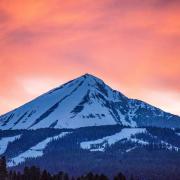
Welcome to Big Sky, Montana, where a day on the trail can lead you through wildflower-filled basins, past shimmering alpine lakes, and up to summits that seem to touch the sky. With hundreds of miles of trails threading through the Custer Gallatin National Forest and the Greater Yellowstone Ecosystem, a day hike here delivers some of the most breathtaking scenery in the American West.
But heading out — even for just a few hours — requires more than enthusiasm and a good pair of boots. Day hiking in Big Sky Country means venturing into genuine wilderness, where conditions can change quickly, and the nearest trailhead may be miles behind you. A properly packed daypack is the difference between a memorable adventure and a dangerous situation.
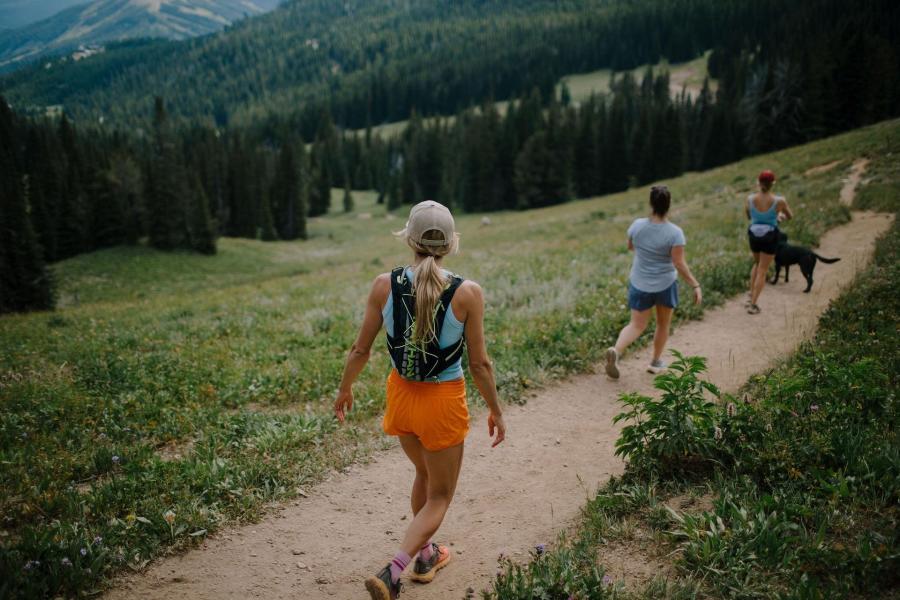
Here's what to pack on a day hike in Big Sky Country:
Bear Spray — Big Sky sits squarely within the Greater Yellowstone Ecosystem, home to both grizzly bears and black bears. You need to be bear aware. These animals typically avoid humans, but a surprise encounter can be dangerous. Bear spray — which works like a powerful deterrent, not like bug repellent — is your most effective line of defense. Keep it in an accessible holster on your hip, not buried in your pack. Need to pick some up before you head out? Bear spray rentals are available at the Big Sky Visitor Center (88 Ousel Falls Road, Unit B1) directly from the front desk or through a 24/7 rental machine in the lobby. You can also purchase bear spray at local gear shops around town.
Water — Hydration is non-negotiable, especially at elevation. Aim to carry plenty of water and drink regularly throughout your hike. For longer day hikes — like the 7-mile Beehive Basin trail — a water filter or purification tablets let you safely refill from streams along the way, so you never have to ration your supply.
Trail Snacks — A day hike burns serious calories. Pack energy-dense, easy-to-eat snacks like trail mix, energy bars, nuts, and dried fruit to keep your energy steady throughout the day. For longer outings, something more substantial — like a sandwich or wrap — will help you go the distance. Eating regularly on the trail helps keep fatigue at bay.
Extra Layers — Montana weather is famously unpredictable. Summer afternoons in Big Sky regularly bring thunderstorms, and temperatures at elevation can drop sharply even on a sunny morning. Always pack a lightweight insulating layer (a fleece or puffy jacket) and a waterproof shell — even if the skies look clear at the trailhead. Skip the cotton: it absorbs moisture from sweat or rain and takes far too long to dry, leaving you cold when conditions change.
Communication Device — Carry your cell phone on every hike — not just for photos, but as a safety tool. In an emergency, you can often find a cell signal and call for help even in remote areas. Download a trail navigation app before you leave: Gaia GPS, AllTrails, or onX Backcountry all offer offline maps that work without a signal, so you can track your route confidently. Pair your phone with a small battery pack to keep devices charged for the full day. For more remote trails, consider bringing a satellite communicator for added peace of mind.
Headlamp and Batteries — This might seem like overkill for a day hike, but it's essential. Day hikes have a way of running longer than expected — an extra viewpoint, a slower pace, a wrong turn. Getting caught on the trail after dark without a light is genuinely dangerous. Pack a headlamp with fresh batteries and keep it at the top of your bag.
First Aid Kit — A compact day-hike first aid kit should cover the most common trail ailments: blisters, cuts, twisted ankles, and insect bites. At minimum, include bandages, moleskin for blisters, pain relievers, antiseptic wipes, and an emergency mylar blanket. Only pack what you know how to use — and if you spend a lot of time in the backcountry, consider a Wilderness First Aid or Wilderness First Responder course.
Sun Protection — High-altitude sunlight is intense, even on overcast days. UV exposure increases significantly as elevation rises, and Big Sky's popular trails regularly sit well above 7,000 feet. Pack broad-spectrum sunscreen (SPF 30 or higher), UV-blocking sunglasses, and a wide-brimmed hat or cap. Reapply sunscreen throughout the day, especially if you're sweating.
Navigation Tools — Don't rely solely on your phone. Download your trail map onto a navigation app before you leave cellular range, and carry a paper map and compass as a backup. These analog tools never run out of battery, and knowing how to use them can help you reorient if you wander off trail. Most trailheads around Big Sky post trail maps — snap a photo before you set out.
Safety & Repair Essentials — Pack a compact emergency and repair kit that takes up almost no space but can save your day. Safety items: a loud whistle (sound carries farther than your voice), a fire starter, and a knife or multi-tool. Repair items: Gorilla Tape (fixes gear, hot spots on your feet, and almost everything else in between), spare shoelaces, and a Voile strap for improvised fixes. You'll rarely need these — but the one time you do, you'll be very glad they're there.
Tuck these essentials into your daypack before every hike and leave them there. The trails around Big Sky — from the beloved Ousel Falls Trail and Beehive Basin to the Town Center's local loops — are spectacular, but they demand respect and preparation. Being properly equipped means you can focus on what really matters: the views, the fresh mountain air, and the joy of exploring one of the last truly wild places in the Lower 48.